

Hair restoration for women
A hair-restoration conversation that starts with the cause of thinning.
Female hair loss often presents differently from a receding male hairline. The assessment considers the pattern, cause, donor area and whether surgery is a responsible part of the plan.
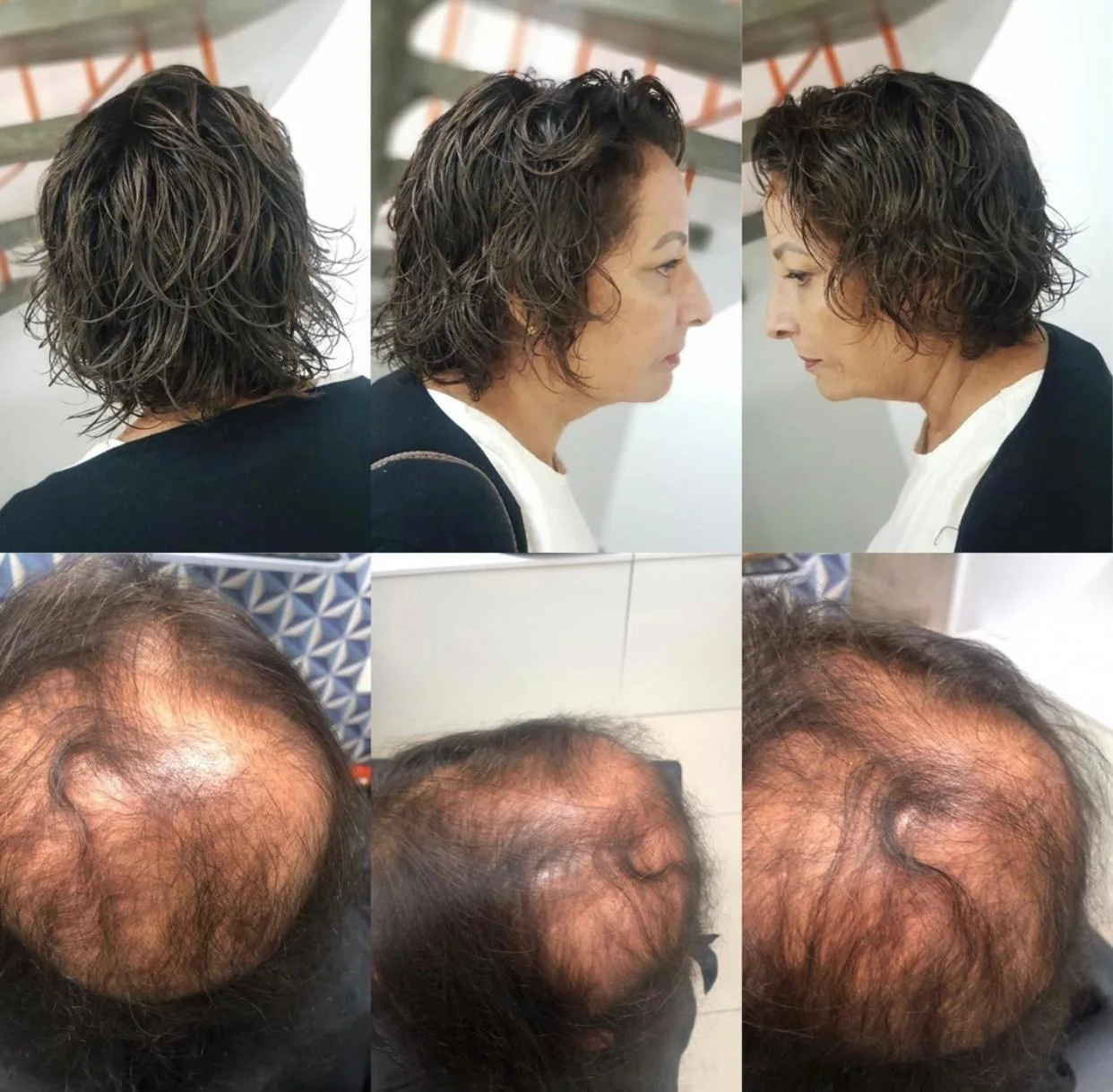
What it can address
Female Hair Transplant
Stable pattern-type loss, traction loss along the hairline and selected scar areas where a clinician has established the cause and donor stability.
Diffuse thinning, hormonal changes, thyroid conditions, nutrition and medication can all affect the picture. Surgery is not presented as the answer until those factors have been considered.
Released patient journeys
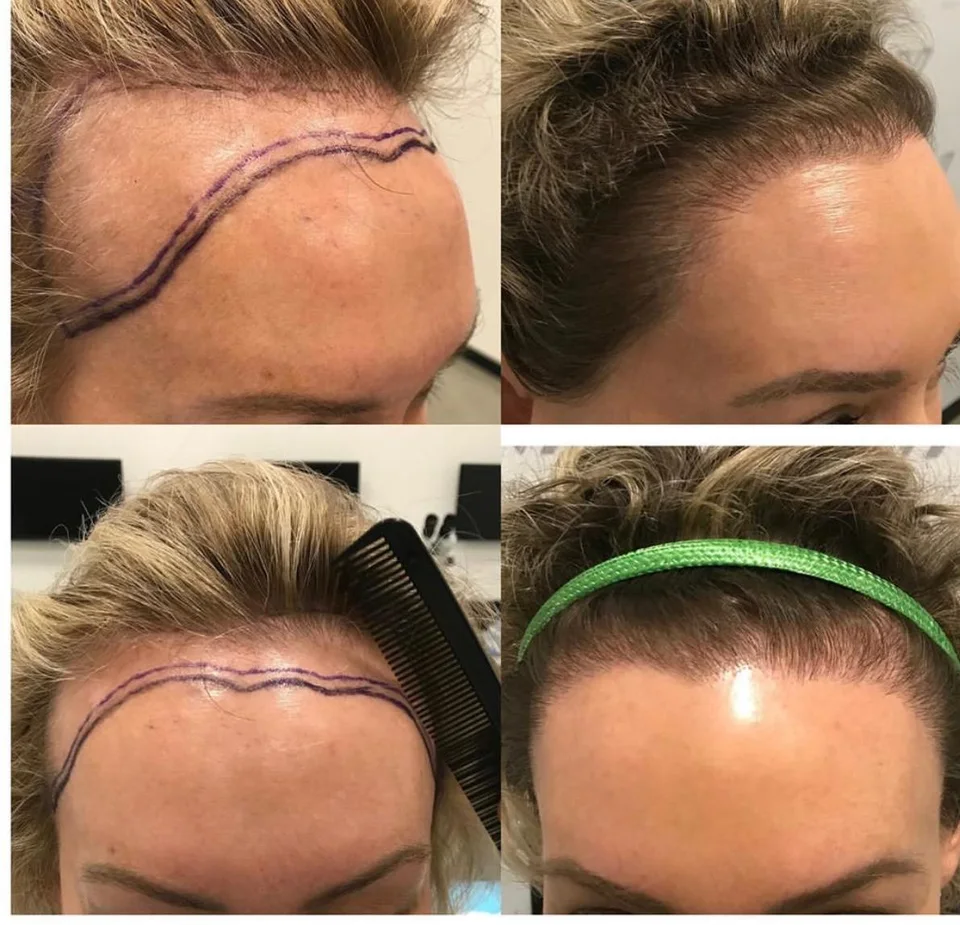
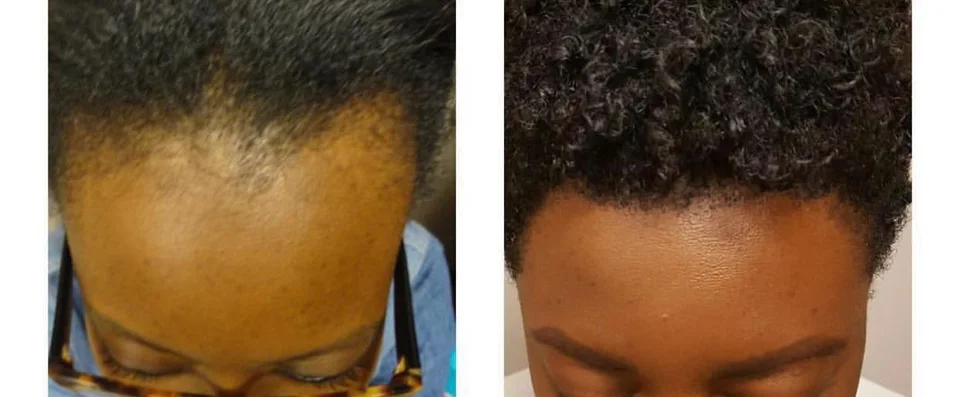
See female restoration from more than one angle.
These published cases show why the assessment cannot be reduced to a generic hairline plan. Pattern, existing density and the cause of thinning all shape the conversation. Individual outcomes vary.
Your plan, not a package
The details that deserve time before treatment.
- 01
Your goal
We start with the area you want to change, the look you have in mind and the questions you need answered.
- 02
Clinical assessment
A doctor considers donor supply, hair characteristics, medical context and whether the proposed route is appropriate.
- 03
A written route forward
Before you decide, we explain the treatment plan, what is included and the support route for your return home.
Important to know
Honest planning gives you a better decision.
- Some patients are better served without surgery, and an honest assessment should say so.
- A stable donor area and a clear diagnosis matter before transplant planning begins.
- The plan should respect existing density and the possibility of future change.
Patient results
The right case images matter.
We only publish patient photographs with written consent and a clear record of what they show. Explore the released patient journeys, or ask the team which examples are most relevant to the area you are considering.
Explore patient results