Individual outcomes vary. Suitability and likely outcomes are assessed for each patient.
See the difference from more than one angle.
Before, treatment-day and follow-up images make each journey easier to understand. Every case is one patient and every outcome is individual.
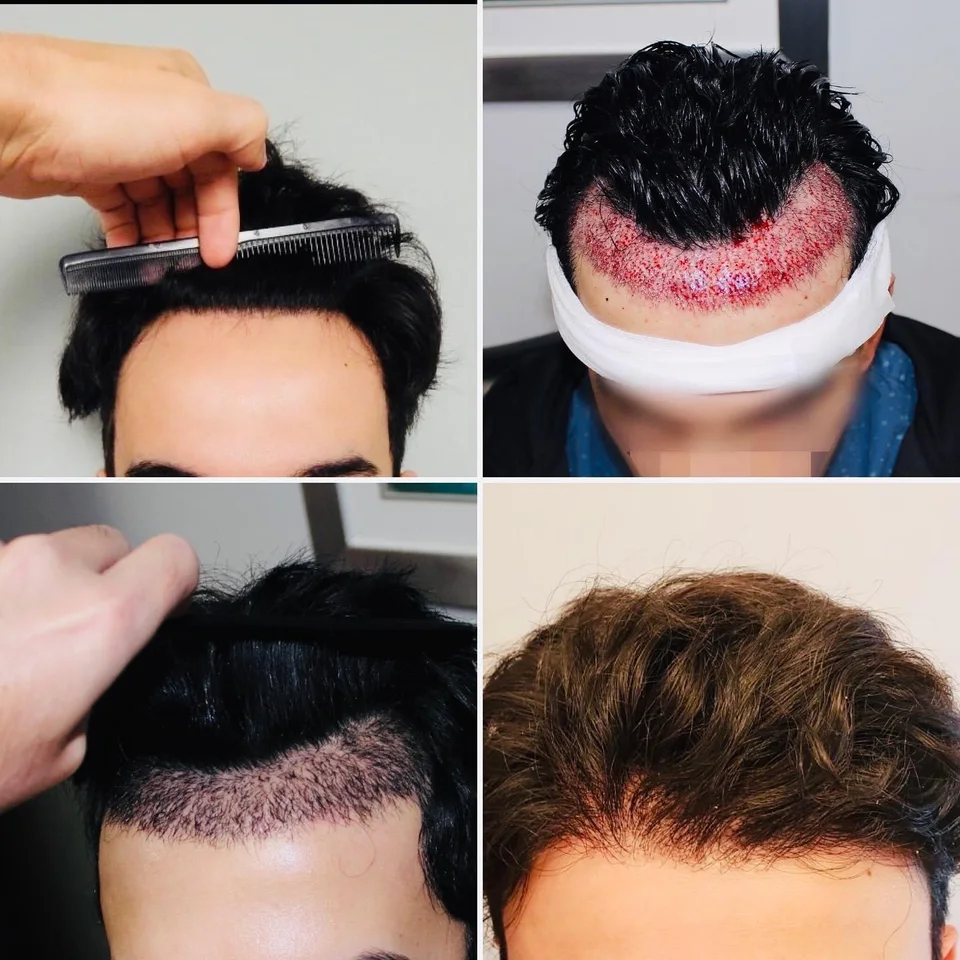
A hairline journey
Planning marks, graft placement on the day of treatment, and the hairline as it appears at follow-up.
Same patientIndividual outcome
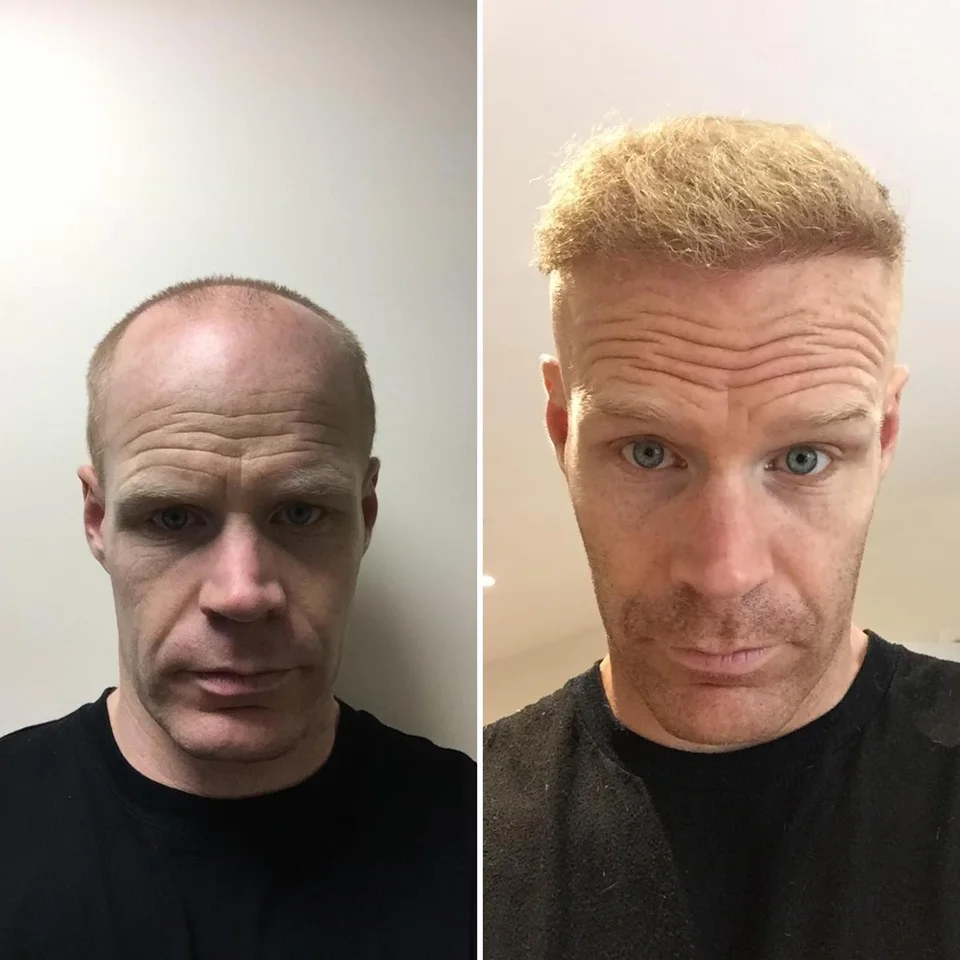
Front and centre
The same patient photographed front-on before treatment and again at follow-up.
Same patientIndividual outcome
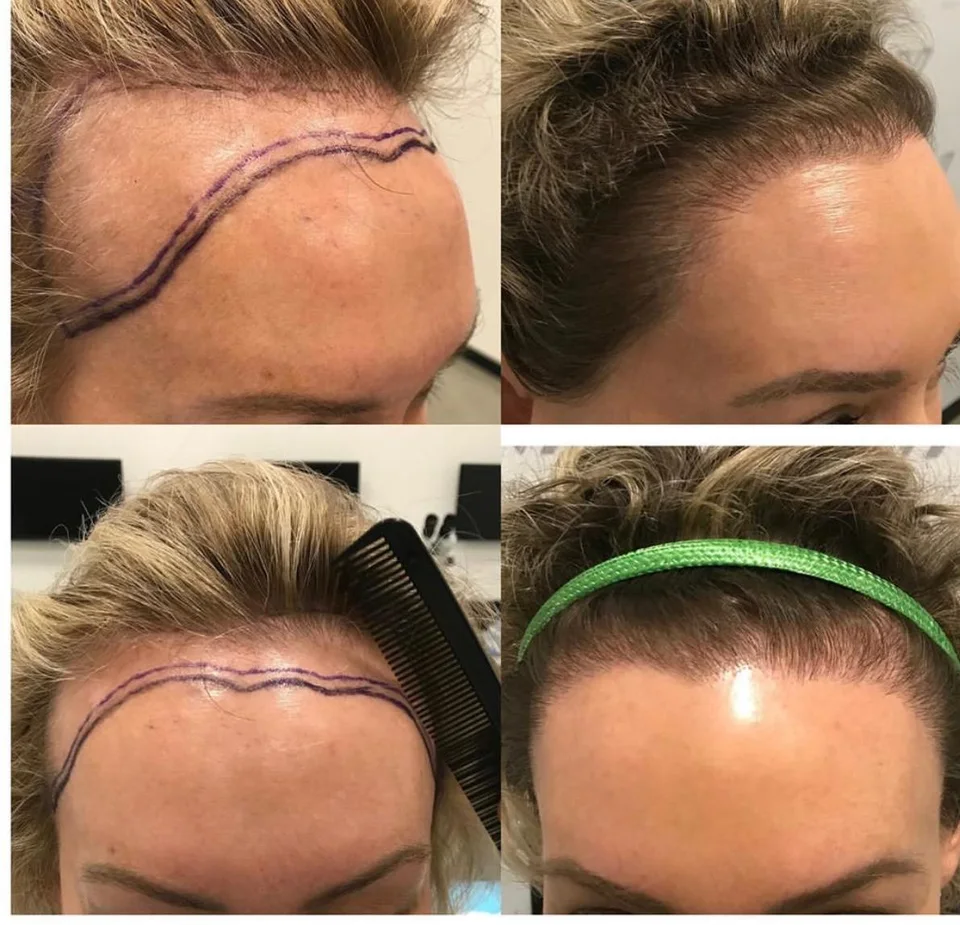
Designing a female hairline
A hairline drawn and agreed before treatment, then the same hairline once it has grown in.
Same patientIndividual outcome
Across the pathway
The scalp before treatment, immediately after placement, and once healing and growth have progressed.
Same patientIndividual outcome
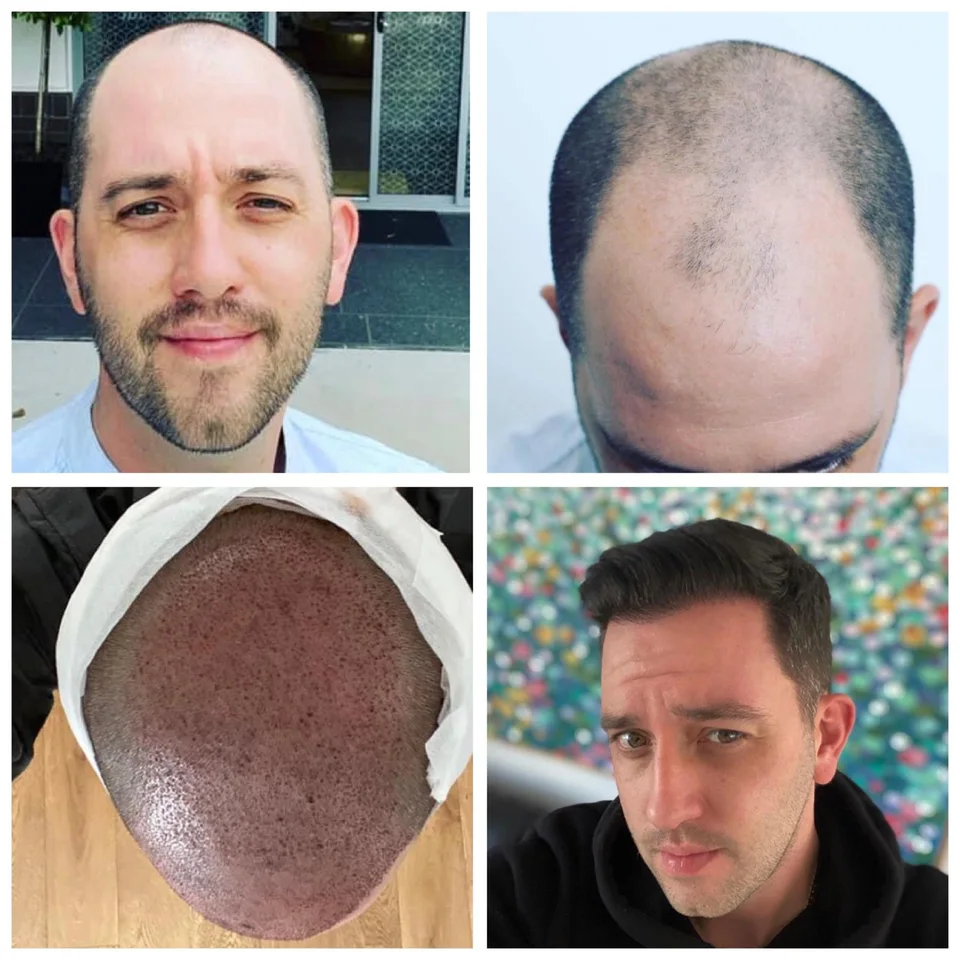
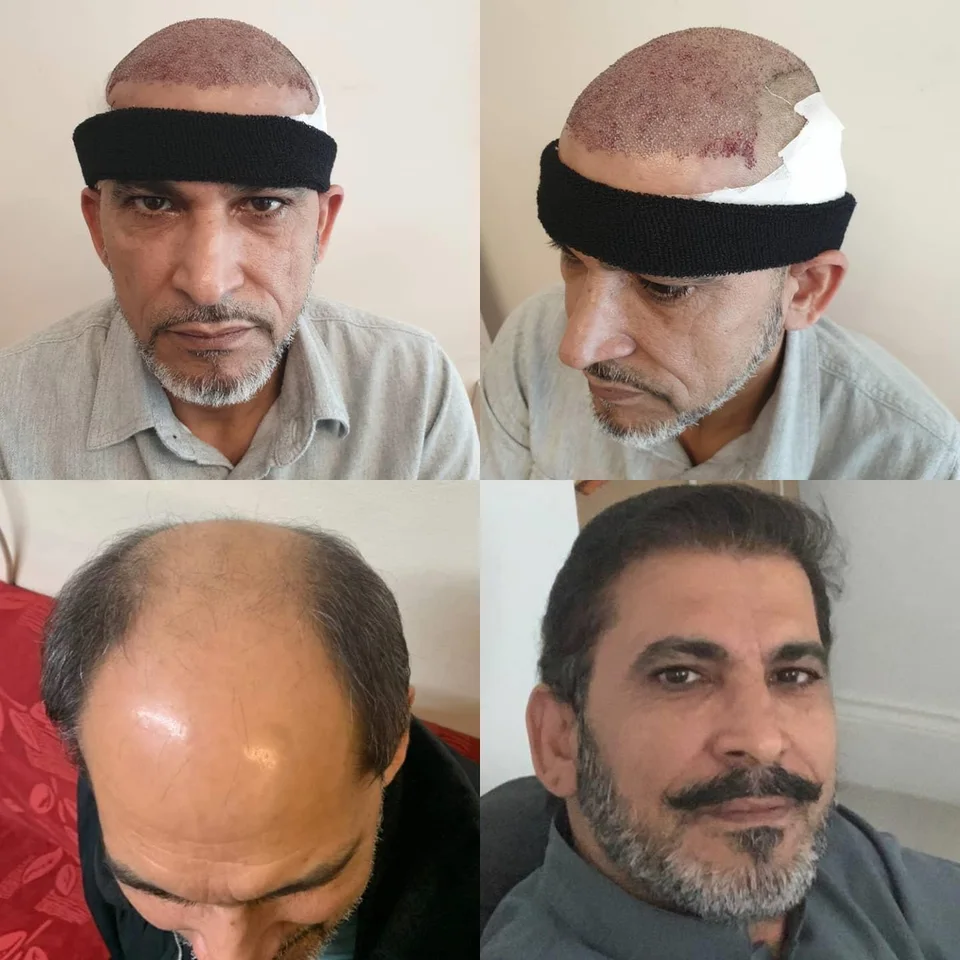
Treatment day and after
Thinning through the front and crown beforehand, the scalp on the day of treatment, and the result at follow-up.
Same patientIndividual outcome
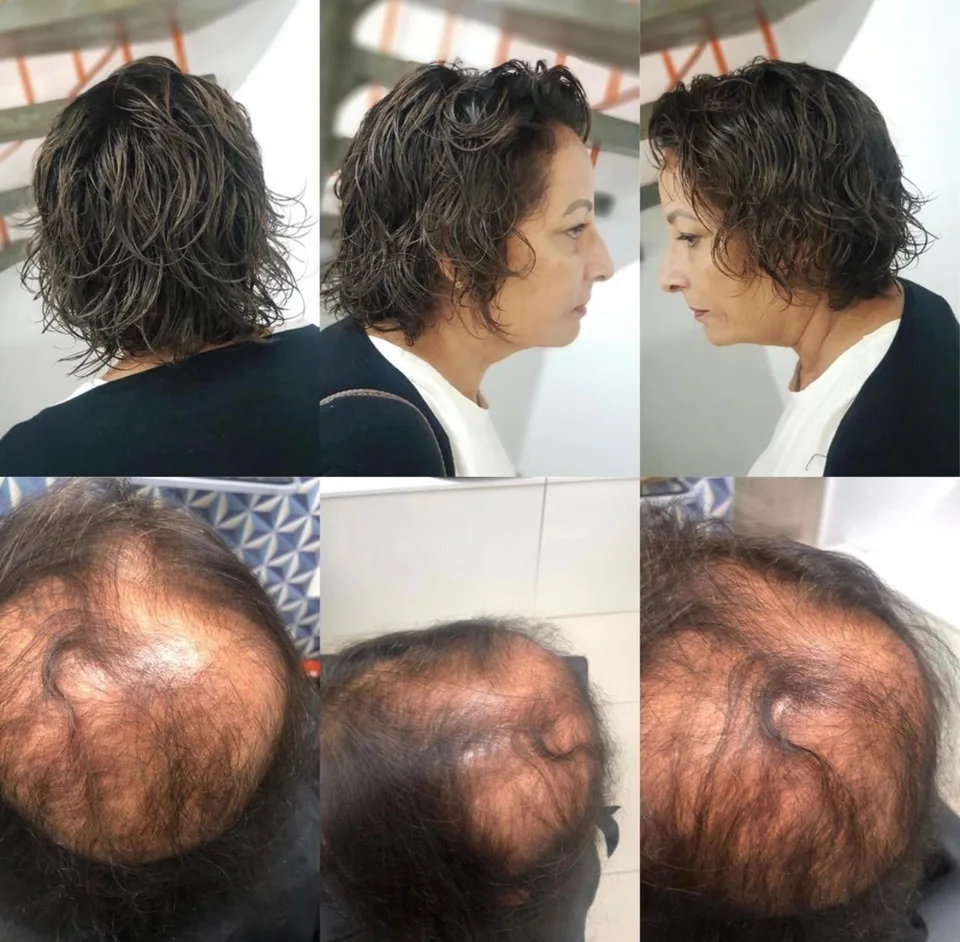
Female restoration
The same patient from several angles, so the change can be read without a single flattering view.
Same patientIndividual outcome
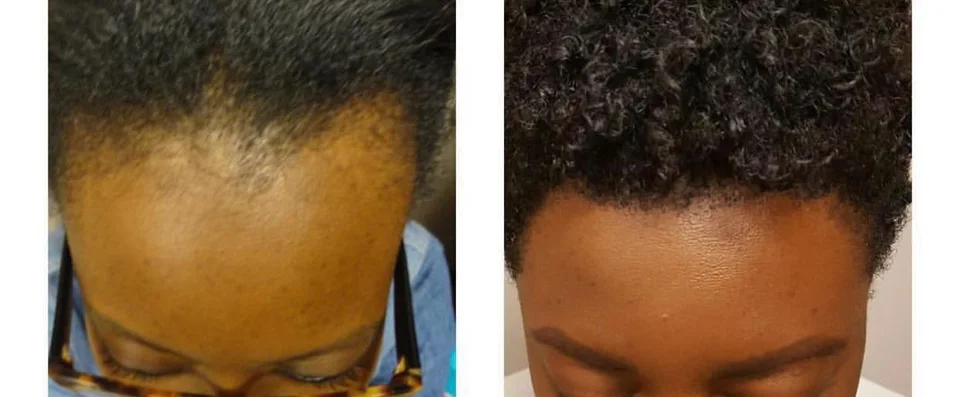
A closer look
A close view of the hairline itself, where density and direction are easiest to judge.
Same patientIndividual outcome
Before-and-after images can help you understand what treatment may change, but a photograph is not a promise. Donor area, hair characteristics, pattern of loss, treatment plan, healing and follow-up all affect an individual outcome.
How to read a result
Same person
Images should be verified as the same patient and shown with permission.
Comparable view
Angle, lighting, hair length and styling should not exaggerate the difference.
Clear timeline
The follow-up point matters because healing and growth change over many months.
Useful context
A responsible case explains the concern, plan and limits without implying a typical result.
Planning comes first
A natural-looking change depends on responsible donor planning, proportion, long-term expectations and a design suited to you. Individual outcomes vary.
What could treatment change for you?
Start with photos and the area you want to improve. We will explain what a clinician would need to assess.